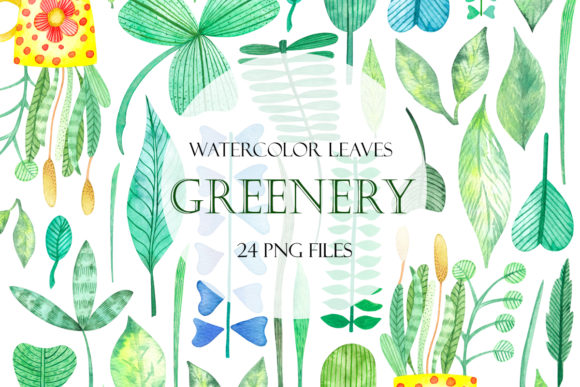
Watercolor Greenery Botany Clipart & Illustrations
As a graphic designer with years of experience in branding, packaging, and digital design, I’ve come across countless design assets. Watercolor Greenery Botany Clipart stands out as a versatile and visually appealing illustration set that can elevate a wide range of creative projects. From handmade businesses to print-on-demand sellers, this asset offers a soft, organic feel that complements many design directions.
First Impressions: A Soft, Nature-Inspired Mood
Upon first glance, Watercolor Greenery Botany Clipart exudes a calm, natural energy. The watercolor technique gives the illustrations a handcrafted, slightly imperfect quality that feels authentic and approachable. This style is ideal for brands that want to convey a sense of nature, wellness, or eco-friendliness. Whether it's for a seasonal campaign or a boutique product line, the visual mood is warm and inviting, making it perfect for small business branding or handmade products.
The illustrations include leaves, flowers, vines, and botanical elements that feel cohesive yet varied enough to support different design needs. They are not overly detailed, which allows them to work well in both minimalist and more elaborate compositions.
Real-World Design Applications
Watercolor Greenery Botany Clipart excels in several real-world design scenarios. For logo design, it can serve as a subtle background element or a central motif for nature-themed brands. In brand identity projects, these illustrations can be used to create a consistent visual language across marketing visuals, packaging design, and social media graphics.
For product labels and packaging design, the clipart adds an organic touch that enhances the overall aesthetic. It works particularly well for food, skincare, or home goods brands looking to communicate a natural, artisanal vibe. In editorial design, the illustrations can act as decorative accents or page dividers, adding visual interest without overwhelming the content.
When used in digital ads, Pinterest pins, or Instagram posts, the soft watercolor style helps create a visually pleasing and engaging look. It also integrates well with Canva templates and Cricut projects, offering flexibility for both digital and physical design applications.
Best Use Cases: Where It Shines
This design asset thrives in large layout areas, such as hero graphics, product mockups, or themed collections. Its soft edges and gentle lines make it ideal for decorative accents that add depth and texture to a composition. When used in printable designs, like wall art or stickers, it brings a personal, handmade feel that resonates with audiences looking for unique, custom items.
For social media posts, Watercolor Greenery Botany Clipart can be used as a background or overlay to enhance the visual appeal of content. It also supports commercial design projects, especially when paired with other design elements like fonts or color palettes.
Where to Use It Carefully
While Watercolor Greenery Botany Clipart is versatile, it may not be the best choice for every project. In small sizes, the details can become lost, making it less effective. Crowded layouts might also dilute its impact, so it’s important to give it space to breathe.
On complex backgrounds or low-contrast designs, the clipart may not stand out as intended. For minimalist branding or professional corporate materials, where clean lines and strong visual hierarchy are key, this asset could feel too busy or informal.
Impact on Readability and Brand Consistency
When integrated thoughtfully, Watercolor Greenery Botany Clipart can enhance readability by providing visual breaks and guiding the viewer’s eye through a composition. However, overuse or improper placement can disrupt the flow and confuse the message.
Brand consistency is crucial, and this asset should be used in a way that aligns with the overall brand identity. If the brand has a modern, sleek look, the organic style of the clipart may need to be balanced carefully. Emotional appeal and audience engagement often benefit from the warmth and authenticity of the watercolor style, but it’s important to ensure it doesn’t overshadow the core messaging.
Practical Designer Notes
Before using Watercolor Greenery Botany Clipart for a client project, test it in black and white to see how it holds up without color. Check contrast on both light and dark backgrounds to ensure visibility. Preview it at various sizes to confirm it remains legible and effective in different contexts.
Place it on real mockups to see how it interacts with other design elements. Test print quality if it will be used for physical products like t-shirts or mugs. Review file formats—whether PNG, SVG, or another format—to ensure compatibility with your workflow.
If transparency is involved, inspect the PNG design for clean edges. For vector-based projects, check the SVG design for editability. Compare it with different font styles, such as serif, sans serif, script, or display fonts, to find the best visual harmony.
Finally, always confirm the commercial license before using it for a client or business project. This ensures you’re compliant and avoids any legal issues down the line.
Conclusion: A Valuable Creative Asset
Watercolor Greenery Botany Clipart is a great addition to any designer’s toolkit, especially for those working on handmade businesses, small business branding, or print-on-demand projects. Its soft, nature-inspired style offers a unique visual language that can enhance a wide range of design assets, from digital products to sublimation designs.
Whether you're creating a Canva template, a Cricut project, or a product mockup, this illustration set provides a fresh, creative option that can bring a project to life. With proper consideration and testing, it can be a powerful tool in your design process, helping you deliver polished, engaging results for your clients.