Watercolor Clipart of Sweets and Berries
As a designer who regularly works with branding, packaging, and marketing visuals, I’ve come across countless design assets. Watercolor Clipart of Sweets and Berries stands out as a unique and versatile addition to any creative project. This set of illustrations blends soft textures, pastel tones, and whimsical shapes that evoke a sense of warmth, nostalgia, and playfulness. Whether you're working on a handmade business brand or a seasonal campaign, these illustrations can elevate your design work in meaningful ways.
The First Impression: A Soft, Playful Mood
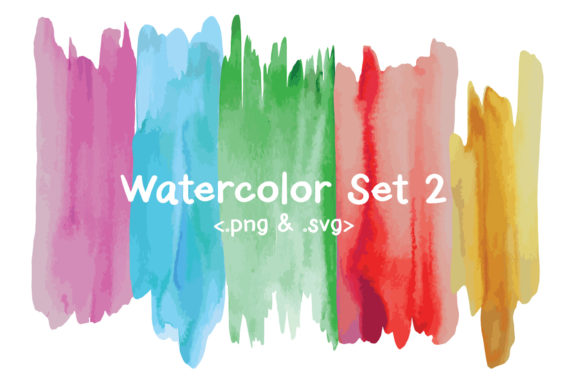
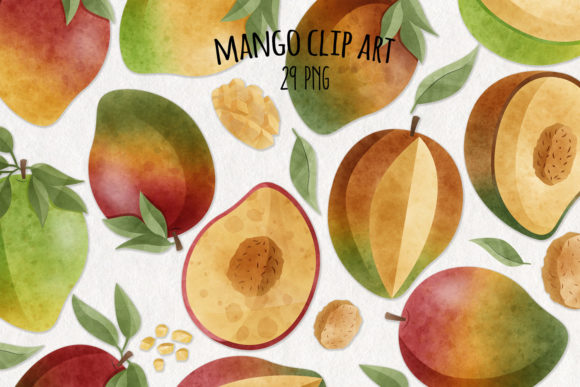
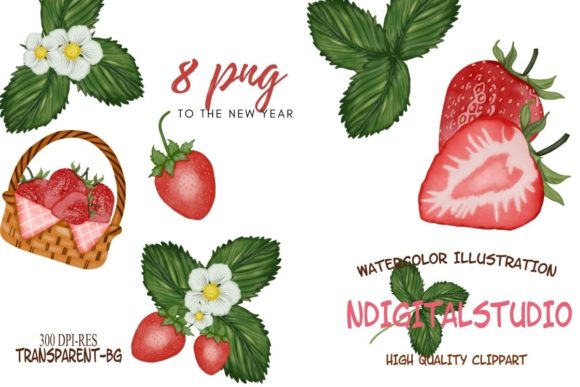
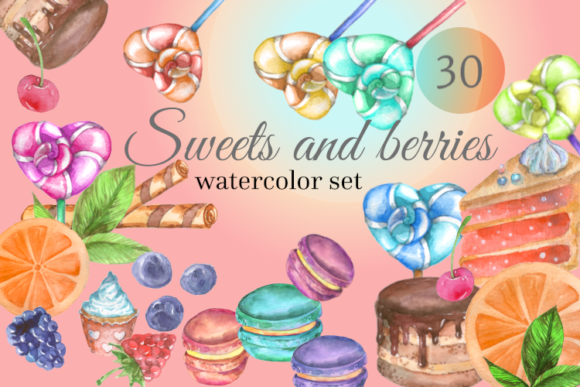
From the moment I opened the Watercolor Clipart of Sweets and Berries, I was struck by its gentle aesthetic. The watercolor style gives it a handcrafted feel, making it ideal for brands that want to convey authenticity and creativity. The color palette is rich but not overwhelming—think muted pinks, soft greens, and warm yellows that blend seamlessly into both modern and vintage design schemes.
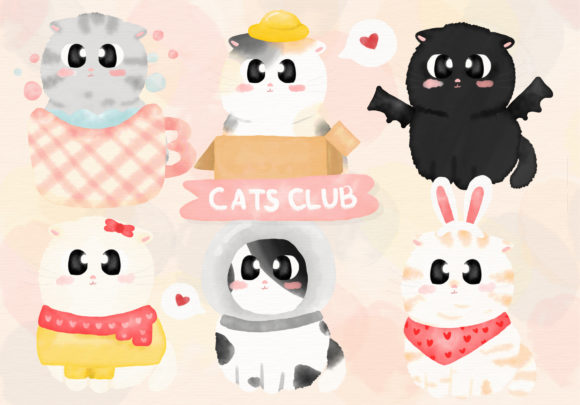
This set of illustrations feels like a visual escape, perfect for projects targeting a younger, more playful audience. It’s especially effective when paired with handwritten fonts or script typefaces, creating a cohesive and inviting look. For small business branding, Etsy products, or print-on-demand items, these illustrations can help establish a distinct identity without feeling too corporate or rigid.
Real-World Design Applications
Watercolor Clipart of Sweets and Berries shines in a variety of real-world design scenarios. In logo design, it can serve as a subtle background element or a standalone icon that adds character. For brand identity, these illustrations can be used as recurring motifs across marketing materials, helping to build visual consistency and recognition.
In packaging design, they add a touch of elegance and charm, especially for food-related products or gift items. When used in social media graphics, they create eye-catching visuals that stand out in crowded feeds. They also work well in Canva templates, Cricut projects, and sticker designs, offering flexibility for both digital and physical applications.
For t-shirt design, tote bags, and mugs, the watercolor style adds a personal, artistic flair that appeals to customers looking for unique, handmade-style products. In editorial design, they can be used as decorative accents or to illustrate articles related to food, lifestyle, or seasonal themes.
Where It Works Best: Visual Appeal and Versatility
Watercolor Clipart of Sweets and Berries excels in large layout areas where its intricate details can be appreciated. It’s perfect for hero graphics, product mockups, and themed collections that require a cohesive visual language. As part of a design bundle, it can be combined with other illustrations to create a complete visual system for a brand or campaign.
It also makes a strong impact in printable designs, such as wall art, greeting cards, or DIY kits. Its soft edges and organic shapes make it ideal for decorative accents that don’t overpower the main message. In social media posts, it can be used as a background element or to frame text, enhancing engagement and visual interest.
Where to Use It Carefully: Limitations and Considerations
While this clipart is highly versatile, there are situations where it may not be the best choice. In small sizes, the fine details can become lost, making it less effective for icons or low-resolution applications. In crowded layouts, it can compete with other elements, disrupting visual hierarchy and readability.
On complex backgrounds, the watercolor texture may not stand out enough, requiring careful placement and contrast adjustments. For minimalist branding or professional corporate materials, it might feel too whimsical or inconsistent with the desired tone. In such cases, a cleaner, more structured design asset would be more appropriate.
Impact on Readability and Brand Consistency
One of the key considerations when using Watercolor Clipart of Sweets and Berries is how it affects readability and brand consistency. Since it’s an illustration rather than text, it doesn’t directly impact typography, but it does influence the overall visual balance of a design. When placed alongside text, it should complement the message without overshadowing it.
For brand identity, it’s important to ensure that the illustrations align with the brand’s personality and values. If the brand is modern and clean, these illustrations may need to be used sparingly. However, if the brand embraces a more artistic or nostalgic approach, they can become a defining feature of the visual language.
Practical Designer Notes: Testing and Preparing the Asset
Before using Watercolor Clipart of Sweets and Berries for a client project, I recommend testing it in various contexts. Start by viewing it in black and white to assess its structure and form. Check how it looks on both light and dark backgrounds, and preview it at different sizes to see how the details hold up.
Place it on real mockups to get a sense of how it integrates with other design elements. Test print quality if it will be used for physical products, and review file formats to ensure compatibility with your workflow. If the asset includes PNG transparency or SVG vector files, inspect them closely to confirm they meet your needs.
Compare it with different font styles—serif, sans serif, script, and display fonts—to see how they interact. Finally, always verify the commercial license before using it for a client or business project. This ensures that you’re compliant and avoid any legal issues down the line.
Conclusion: A Creative Asset for the Right Project
Watercolor Clipart of Sweets and Berries is a valuable graphic design asset for designers working on handmade businesses, small business branding, or seasonal campaigns. Its soft, whimsical style adds character and emotional appeal, making it ideal for creative marketplaces, print-on-demand sellers, and digital product creators.
While it may not be suitable for every project, when used appropriately, it can enhance the visual mood, support brand identity, and improve audience engagement. As a designer, I appreciate how it balances artistic expression with practical application, making it a useful tool in my design arsenal.